What to know about Newham Council garden waste rules
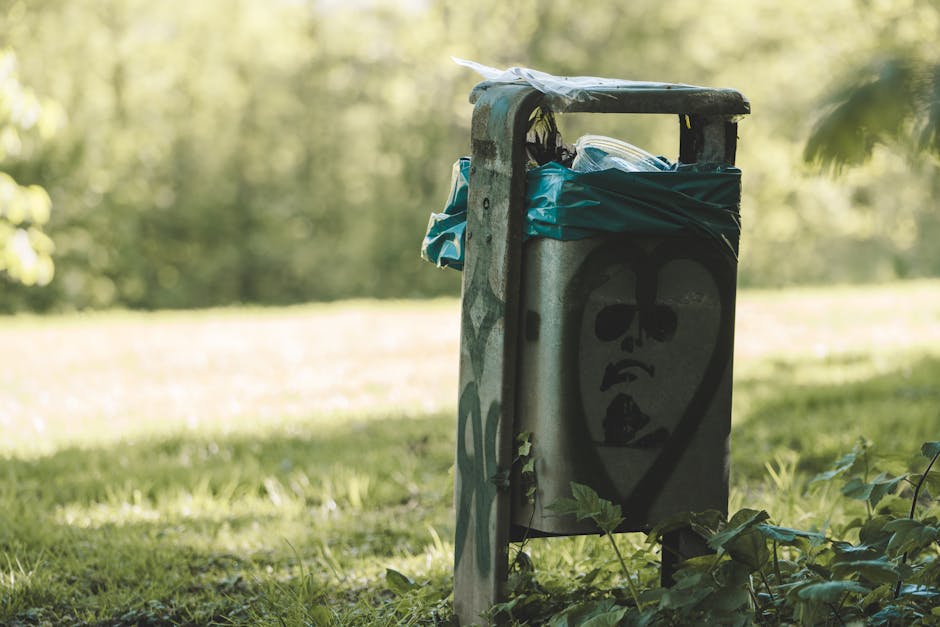
If you live in Newham and your garden has been busy doing its thing, the waste can pile up faster than you expect. Grass cuttings, hedge trimmings, leaves, branches, soil, and the odd broken plant pot all create different disposal questions. That is exactly why understanding What to know about Newham Council garden waste rules matters. Get it right and you save time, avoid awkward mistakes, and keep your garden tidy without unnecessary hassle. Get it wrong and you can end up with overflowing bags, missed collections, or waste that should not be left out at all.
This guide breaks the topic down in plain English. You will learn how garden waste is generally handled, what usually causes confusion, where people go wrong, and what sensible next steps look like if you want a cleaner, easier process. Truth be told, most problems come from mixing the wrong materials together or assuming garden waste works like ordinary household rubbish. It does not. Not quite.
Why Newham garden waste rules matter
Garden waste sounds simple until you are standing beside a pile of wet grass, thorny branches, and a bag full of rooty weeds on a damp Saturday morning. Then the details matter. Newham Council garden waste rules exist to help residents dispose of green waste in a way that is safe, practical, and manageable for the local collection system.
The main reason these rules matter is that garden waste is not the same as general waste or recycling. It often needs separate handling, and the council may set specific expectations around what can be collected, how it must be prepared, and what should be kept out. If you are sorting a garden after a big clear-up, a hedge cut, or a seasonal tidy, those distinctions become very real very quickly.
There is also a broader neighbourhood benefit. Correctly managed green waste helps reduce contamination, supports composting or treatment where available, and keeps bins and streets cleaner. It is one of those mundane things that quietly improves the whole area. You barely notice it when it works; you definitely notice when it does not.
For homeowners, tenants, landlords, and anyone with regular gardening tasks, knowing the rules helps you plan better. It can also save money if you avoid unnecessary collections or unplanned skips. If your work involves larger garden tidy-ups, services such as garden maintenance and garden clearance can be useful when the mess is beyond a simple bin bag job.
How Newham garden waste rules work
Most council garden waste systems are built around a simple principle: keep organic garden material separate, present it correctly, and make sure it is suitable for collection or disposal under the local service arrangements. That may sound obvious, but the practical details are where people get caught out.
In general terms, garden waste usually includes items like grass cuttings, leaves, small prunings, weeds, and other plant material. More awkward items often need special handling. Soil, rubble, stones, treated timber, plastic plant pots, old compost bags, and general household waste are usually not treated as garden waste. Mixed loads are a common headache.
Collection rules often focus on a few practical points:
- keeping green waste separate from other rubbish;
- using the correct bin, sack, or collection method if one is provided;
- avoiding contamination with food waste, plastics, or building materials;
- not overfilling containers so they can be lifted safely;
- presenting waste on the correct day or in the correct place.
If your garden work includes shrubs, overgrown hedges, or tree cuttings, the volume and type of waste can change quickly. A small trim is one thing. A mature hedge cut or branch removal is another. That is where a service like hedge trimming or tree lopping and removal may help you manage the job more cleanly and reduce the amount of material you have to deal with later.
One thing to keep in mind: council guidance can change. Collection schedules, accepted materials, and container rules may be updated, especially around seasonal demand. Always double-check the current Newham position before putting out a pile of waste. It takes a few minutes and can save a lot of irritation.
Key benefits and practical advantages
Understanding the rules is not just about avoiding mistakes. It also makes everyday garden care much smoother.
- Cleaner storage at home: when you know what counts as garden waste, you can sort it properly before collection day.
- Less contamination: separating soil, plastics, and general waste makes disposal much easier.
- Fewer missed collections: properly prepared waste is less likely to be left behind.
- Better planning: you can judge whether a one-off tidy-up, repeat maintenance, or a fuller clearance is the right choice.
- Lower stress: there is nothing glamorous about digging back through a half-full bin to pull out a broken pot. Better to avoid that.
There is a financial side too. If your waste is sorted properly, you are less likely to need last-minute disposal solutions. For larger jobs, comparing the effort of doing it yourself with the convenience of a professional service can be a smart move. If you want to understand service costs before booking anything, take a look at pricing and quotes.
And for anyone trying to keep a property presentable, whether it is your own home or a rental, good waste handling is part of the overall picture. A neat lawn, clipped edges, and a tidy border look much better when the leftover cuttings are gone the same day. Small detail, big difference.
Who this is for and when it makes sense
These rules matter to a broad mix of people. Some are dealing with the occasional spring clear-up. Others are managing weekly maintenance or a much bigger overgrown garden. Different situations, same underlying need: dispose of garden waste the right way.
You are likely to find this useful if you are:
- a homeowner cleaning up after mowing, pruning, or planting;
- a tenant responsible for keeping an outdoor area tidy;
- a landlord preparing a property between lets;
- a gardener or property manager handling regular green waste;
- someone planning a full garden refresh after months of neglect.
It also makes sense when the volume of waste starts to exceed what your normal bin can comfortably handle. That might happen after a hedge cut, a tree reduction, or a seasonal overhaul. In those cases, you need to think about how the waste will be bagged, lifted, loaded, and removed. If you are already working on the garden layout, you may also want to explore landscape gardening or broader landscaping support so the end result looks as good as the clean-up.
It is also relevant when you simply do not want the mess sitting around for days. Wet leaves in a corner of the garden soon turn into a slippery, sour-smelling nuisance. Let's face it, nobody wants that.
Step-by-step guidance
Here is a practical way to handle garden waste in Newham without overcomplicating things.
- Sort the waste into categories. Separate green waste from general rubbish, soil, and hard materials. This is the single biggest time-saver.
- Remove non-garden items. Check for plastic ties, labels, broken tools, pots, stones, and packaging. They can sneak in more easily than you think.
- Cut larger material down. Branches, long stems, and bulky hedge trimmings are easier to handle when reduced to manageable pieces.
- Check the collection method. Make sure you know whether the council expects a specific bin, bag, presentation point, or booking process.
- Do not overload containers. Heavy waste can be difficult to lift and may be left behind if it is unsafe.
- Place it out correctly. Put the waste in the right location and at the right time, especially if collection timing is specific.
- Keep an eye on changes. Seasonal collections or service adjustments can affect what happens next.
If your garden job is larger than a standard tidy, break it into stages. For example, cut and bag grass first, then trim hedges, then deal with branches and the final sweep-up. That order keeps the job from turning into a swamp of mixed waste. A little discipline here pays off.
For regular upkeep, combining waste management with routine visits can be the easiest route. A service like lawn mowing or ongoing garden maintenance helps prevent the pile-up that leads to more stressful clear-outs.
Expert tips for better results
After enough garden jobs, a few patterns become obvious. The successful ones are usually the ones that start with sorting, not with dragging everything into one pile and hoping for the best.
First tip: deal with the wet stuff early. Wet grass and leaves compact quickly. If you leave them lying around on a drizzly afternoon, they get heavier, messier, and far less pleasant to handle. Tip: bag them sooner rather than later.
Second tip: do not underestimate volume. A tidy that looks modest can produce a surprising amount of waste. A few shrubs, a medium hedge, and a patch of lawn can fill containers faster than expected. People often misjudge this, then end up doing an extra trip. Bit annoying, but common.
Third tip: keep cuttings and soil apart. Soil behaves differently from green waste. It is denser, dirtier, and often not accepted in the same way. If you are re-edging beds, lifting old turf, or doing planting work, plan a separate approach for that material.
Fourth tip: think about the final look, not just disposal. A good garden finish is not just about removing waste. It is also about how the space functions after the job. If you are refreshing borders, improving access paths, or changing the structure of the space, a little decking services planning or design thinking can help tie the whole garden together.
Fifth tip: build a habit of small tidy-ups. One short session every week or two is far easier than one huge clean-out every few months. Honestly, future-you will thank you for it.
Common mistakes to avoid
Most garden waste problems are boringly predictable. That is useful, because predictable problems are easy to prevent.
- Mixing waste types: placing plastic, rubble, and kitchen scraps in green waste is one of the quickest ways to create a problem.
- Leaving large branches uncut: oversized material can be awkward to store and may not fit the collection method.
- Forgetting about soil: soil, turf, and compost can behave differently from ordinary plant waste.
- Overfilling bags or bins: heavy loads are difficult to move and may not be collected.
- Assuming old habits still apply: council processes can change, and what worked last year might not be right now.
- Putting out waste too early: this can create a visual mess, attract animals, or simply annoy neighbours if it sits there for days.
Another common slip is forgetting that not all garden jobs are the same. A quick mow produces light cuttings. A clearance after months of growth can include thorny waste, dead wood, and unexpected debris. If you are facing the second kind, professional support through services overview can help you decide what level of help is appropriate.
And yes, we have all seen that one bag that is so full it looks like it might burst if you stare at it. Better to avoid that moment.
Tools, resources and recommendations
You do not need a shed full of expensive equipment to manage garden waste properly. A few practical tools make a noticeable difference.
- Sturdy garden sacks or bins: useful for separating and moving green waste safely.
- Gloves: especially helpful when handling thorny cuttings, prickly weeds, or damp material.
- Secateurs and loppers: good for reducing bulky branches and awkward stems.
- Rake and broom: ideal for final clean-up and leaf collection.
- Wheelbarrow or trug: saves time when moving waste across the garden.
- Tarpaulin: handy for gathering waste into one place before bagging.
If sustainability matters to you, it is worth thinking about how the waste fits into the bigger picture. Some people prefer to compost suitable green material at home, while others want the neatness and convenience of collection. If you lean towards the first option, the principles around reducing contamination still matter. If you lean towards the second, professional disposal support can make life easier. The key is choosing the method that matches the size of the job and your tolerance for faff.
For gardeners who want a regular, tidy routine rather than one-off rescue work, ongoing support from recycling and sustainability information can also help you build habits that reduce waste over time. Small habits. Big payoff.
Law, compliance, standards and best practice
When people talk about council garden waste rules, they are usually talking about a mix of local service requirements and practical waste handling standards. You do not need to become a legal expert, but it does help to understand the general shape of the responsibilities involved.
In the UK, waste must be handled in a way that avoids contamination and supports proper disposal routes. For residents, that usually means following the council's published instructions on what can go where and how it should be presented. If you are using a contractor, it is reasonable to expect them to manage waste carefully, load it safely, and follow accepted disposal practices.
Best practice usually includes:
- separating green waste from general rubbish;
- avoiding hazardous or non-organic material in garden collections;
- keeping access routes clear and safe for collection;
- using appropriate tools and protective gear when cutting or moving waste;
- confirming the latest local guidance before a large clear-up.
If a job involves ladders, tree work, heavy branches, or awkward access, safety matters as much as the disposal itself. That is where a contractor's processes become relevant. You want someone who works carefully, not just quickly. If you are comparing providers, take a look at insurance and safety and health and safety policy information to understand how a professional business approaches risk and responsibility.
None of this is glamorous, obviously. But getting the basics right keeps everything cleaner, safer, and easier to live with.
Options, methods and comparison table
There are usually a few sensible ways to deal with garden waste in Newham. The right choice depends on volume, timing, and how much effort you want to put in yourself.
| Method | Best for | Pros | Things to watch |
|---|---|---|---|
| Council garden waste collection | Routine green waste and smaller regular jobs | Convenient, familiar, usually cost-effective for suitable waste | Must follow local rules closely; not ideal for mixed or bulky waste |
| Home composting | Leaves, grass cuttings, and other suitable organic waste | Reduces trips, supports sustainability, useful for ongoing upkeep | Not all material is suitable; takes space and patience |
| Professional garden clearance | Overgrown gardens, large cuts, or mixed green waste | Saves time, handles bigger volumes, reduces manual hassle | Can cost more than simple self-disposal; choose carefully |
| DIY bagging and disposal | Small tidy-ups and occasional pruning | Flexible and straightforward for light jobs | Requires lifting, sorting, and transport; easy to underestimate the workload |
If your garden is edging toward "needs a proper reset" territory, a combined approach often works best. Do the simple ongoing care yourself, then use professional help when the volume gets too much. That balance is usually the sweet spot for busy households.
Case study or real-world example
Here is a realistic example. A small front and back garden has been left alone for a few weeks after a stretch of wet weather. The lawn is long, the hedge has pushed out, and the borders have a scatter of leaves and dead stems. Nothing dramatic, just enough to be irritating every time you look at it through the kitchen window.
The first instinct is often to cut everything at once and stuff it into one pile. In practice, that creates a mixed load that is harder to sort later. A better approach is to work in stages:
- mow the lawn and collect the cuttings;
- trim the hedge and separate larger stems;
- rake the borders and remove loose debris;
- bag the waste by type;
- check whether anything beyond normal green waste needs separate disposal.
That kind of methodical approach usually leaves the garden looking calmer and makes the disposal side much easier. The end result is not just less clutter. It is a cleaner, more usable garden that stays manageable for longer.
In one damp late-afternoon clear-up, that simple structure can be the difference between a tidy finish and a chaotic heap by the side gate. Mildly dramatic, yes, but true.
Practical checklist
Use this quick checklist before you put garden waste out or arrange collection.
- Have I separated green waste from general rubbish?
- Have I removed plastic, pots, stones, and other non-garden items?
- Are branches, stems, or hedge trimmings cut down to a sensible size?
- Is any soil, turf, or heavy material being treated separately if needed?
- Have I checked the latest Newham guidance before collection?
- Are containers not too heavy to move safely?
- Is the waste being placed out at the correct time and location?
- Do I need a one-off clearance rather than routine collection?
- Would regular maintenance reduce waste build-up next time?
- Do I have gloves, sacks, and tools ready for a cleaner job?
If you can tick most of those off, you are in a good place. If not, pause for a moment and sort the garden waste properly first. It saves hassle later, every single time.
Get a free quote today and see how much you can save.
Conclusion
Knowing what to know about Newham Council garden waste rules gives you a practical edge. You are less likely to mix materials incorrectly, less likely to miss a collection, and more likely to keep your outdoor space tidy without last-minute stress. That is the real value here. Not just compliance, but ease.
If your garden only produces the occasional bag of clippings, the rules are fairly straightforward once you understand the basics. If your space is bigger, messier, or long overdue for attention, the same principles still apply, but the planning matters more. Sort early, keep waste categories separate, and choose the disposal method that fits the size of the job.
Done well, garden waste management becomes one of those small routines that quietly makes life better. Less clutter. Less confusion. A garden that feels easier to enjoy.
And honestly, that is a lovely thing on a quiet London evening when the light is fading and the space finally looks like yours again.
Frequently Asked Questions
What counts as garden waste in Newham?
Garden waste usually includes grass cuttings, leaves, small branches, hedge trimmings, weeds, and other plant material. Mixed rubbish, pots, stones, and soil may need separate handling, depending on the situation.
Can I put soil in with my garden waste?
Soil is often treated differently from loose green waste because it is heavy and behaves differently in collection systems. It is best to check the current guidance before mixing it in with other garden material.
Do I need to bag garden waste before collection?
That depends on the collection method being used. Some services require waste to be placed in a specific bin or container, while others expect it to be presented in a certain way. Always follow the latest local instructions.
What should I do with hedge trimmings and branches?
Cut them down to manageable sizes and keep them separate from other waste where possible. Larger hedge cuttings and branches are much easier to handle when reduced before disposal.
Can I mix grass cuttings with leaves and weeds?
Yes, if they are all accepted as green waste under the relevant collection rules. The key is avoiding contamination with plastic, food waste, or non-organic material.
What happens if I put the wrong items out?
Incorrectly sorted waste may be left behind, especially if it includes items that are not accepted as garden waste. It can also make the process more frustrating for everyone involved.
Is it better to compost at home or use council collection?
It depends on your garden size, the type of waste, and how much space you have. Composting works well for suitable material if you are happy to manage it, while collection is often easier for larger or more awkward jobs.
How do I know if I need garden clearance instead of regular maintenance?
If the garden has become heavily overgrown, or if there is a large amount of mixed waste to remove, a clearance service is usually more suitable than routine maintenance.
What is the safest way to deal with bulky garden waste?
Break it down into smaller sections, use proper gloves and tools, and avoid lifting more than you can comfortably manage. For heavy or awkward jobs, professional help can be the safer option.
Can regular garden maintenance reduce waste problems?
Absolutely. Regular mowing, trimming, and tidy-ups usually produce smaller, more manageable amounts of waste than occasional big clear-outs. It is far easier to stay on top of things than to catch up later.
Where can I find help if my garden is too much to handle alone?
If the job is bigger than a normal tidy-up, it can help to look at broader service information such as garden clearance, lawn mowing, hedge trimming, and garden maintenance. Choosing the right support makes the whole process much easier.