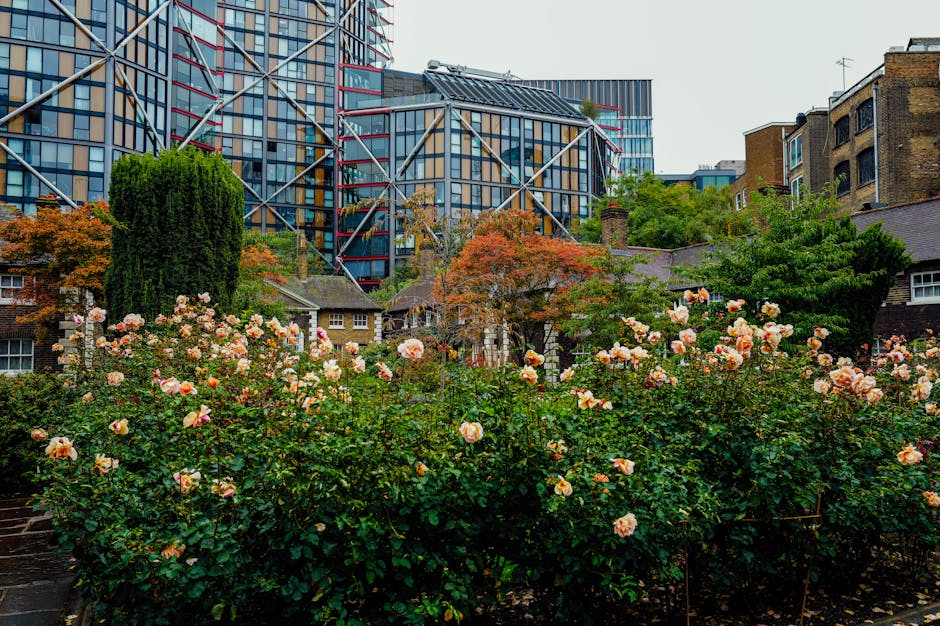
Stratford Broadway garden care for terraced homes
If you live in a terraced house near Stratford Broadway, you probably know the feeling: a small front garden that gathers weeds fast, a back yard that never seems to stay tidy for long, and not quite enough time to keep on top of it all. That is exactly where Stratford Broadway garden care for terraced homes becomes genuinely useful. The right approach does more than make things look neat for a weekend. It helps you make the most of limited space, deal with awkward access, and keep the garden practical through every season.
Terraced-home gardens in Stratford often have their own quirks. Narrow plots, shared boundaries, shaded corners, and hard surfaces that heat up in summer all shape how the space behaves. A good garden care plan has to respect that. It should be tidy, reliable, and realistic for the way people actually live. Not everyone wants a picture-perfect lawn. Some just want a front patch that does not look tired by Tuesday.
This guide breaks down what local garden care means for terraced homes, how it works, what benefits you can expect, and how to decide whether you need a one-off tidy-up or a regular maintenance plan. You will also find practical steps, common mistakes, and a checklist you can use straight away.
Table of Contents
- Why Stratford Broadway garden care for terraced homes Matters
- How Stratford Broadway garden care for terraced homes Works
- Key Benefits and Practical Advantages
- Who This Is For and When It Makes Sense
- Step-by-Step Guidance
- Expert Tips for Better Results
- Common Mistakes to Avoid
- Tools, Resources and Recommendations
- Law, Compliance, Standards, or Best Practice
- Options, Methods, or Comparison Table
- Case Study or Real-World Example
- Practical Checklist
- Conclusion
- Frequently Asked Questions
Why Stratford Broadway garden care for terraced homes Matters
Terraced homes can be beautiful, but the gardens attached to them usually need a different kind of care from larger suburban plots. Space is tighter. Boundaries are closer. Light can be patchy. And in busy parts of Stratford, gardens often get used hard: bikes, bins, children's toys, barbeques, containers, and the occasional pile of things that really should have gone indoors a week ago.
That is why Stratford Broadway garden care for terraced homes is not just about cutting grass. It is about keeping a small, high-use outdoor space functional and pleasant. A terraced garden has to work around people, neighbours, and the weather. If you leave it too long, the whole space can go from manageable to messy surprisingly quickly. To be fair, that happens in even the tidiest households.
Local conditions matter too. In London, urban gardens often deal with compacted soil, pollution dust, limited drainage, and awkward access through the house. Some yards are overlooked and shady, which changes what plants will actually thrive. Others are suntraps for a few hours a day, which can dry the soil out before you know it. A thoughtful care routine is what keeps these spaces alive rather than merely surviving.
Expert summary: For terraced homes, the best garden care is rarely the fanciest. It is the most consistent, space-aware, and practical plan for the garden you actually have.
If you are already comparing maintenance options, it can help to look at broader support too, such as local garden maintenance services and routine garden maintenance plans. Those pages can be useful if you want a sense of how one-off work differs from ongoing care.
How Stratford Broadway garden care for terraced homes Works
Garden care for terraced homes usually starts with a walk-through of the space. A good gardener will look at access, light levels, plant health, drainage, boundary issues, and how the space is used day to day. That first impression matters because a small terrace garden can have a lot going on in a very small footprint.
In practical terms, the process often includes regular tasks such as mowing or strimming, hedge trimming, weeding, pruning, deadheading, clearing leaves, edging, and seasonal tidy-ups. But for terraced homes, there is usually a stronger focus on structure. A narrow front garden looks better when edges are sharp and planting is kept controlled. A rear yard feels more spacious when clutter is removed and surfaces are kept clean and well maintained.
There is also the question of timing. In a terraced setting, maintenance needs to fit around neighbours and access. Some homes have side gates. Others need tools carried through the property, which changes how jobs are planned. That can sound like a small thing, but honestly it makes a real difference to how smooth a visit feels.
Garden care may also include planting improvements. In a small Stratford garden, the wrong plant can become a headache fast. Fast-spreading shrubs, thirsty borders, or species that drop endless debris can all create more work than they are worth. Better choices are usually compact, resilient, and suited to the amount of light and shelter available.
If you need more than general upkeep, it may be worth exploring related support such as hedge trimming, lawn care, or tree surgery where larger trees or overgrown branches are causing shade or safety issues. The right service mix depends on what your garden is actually asking for, not just what looks obvious from the gate.
Key Benefits and Practical Advantages
A well-managed terrace garden does a lot of quiet work in the background. It makes the home feel more settled, it can make the outdoor space easier to use, and it tends to reduce the feeling of being overwhelmed by "just one more thing" every time you look outside.
- Better use of small spaces: Clear borders, tidy paths, and sensible planting make compact gardens feel larger.
- Lower upkeep later: Regular care prevents the usual blow-ups, like weeds seeding everywhere or hedges getting out of hand.
- Healthier plants: Pruning, feeding, and correct watering habits support stronger growth.
- Improved kerb appeal: This matters a lot in terraced streets where the front of the house sets the tone.
- Safer access: Clearing trip hazards and keeping paths visible is especially helpful in narrow layouts.
- Less neighbour friction: Overhanging growth and untidy boundaries can cause avoidable tension. Nobody wants that.
For many homeowners, the biggest practical advantage is simply peace of mind. You do not have to wonder whether the garden has gone over. It stays under control. And in a place like Stratford, where people have busy schedules and often use their homes intensively, that steady reliability is worth a lot.
There is also value in seasonal consistency. Spring weed growth, summer dry spells, autumn leaf fall, and winter clean-up all demand different responses. A structured maintenance approach means you are not caught off guard every time the weather changes its mood, which, let's face it, is often.
Who This Is For and When It Makes Sense
This kind of garden care is ideal for people who want a neat, usable outdoor space without spending every spare hour maintaining it. That includes homeowners, landlords, tenants with permission to maintain the garden, and families trying to keep a busy household from taking over the whole plot.
It can be especially useful if your terraced home has one or more of these situations:
- A compact front garden that gets messy quickly
- A back yard or small lawn that needs regular tidying
- Overgrown hedges or screening plants near neighbours
- Shaded areas where moss, weeds, or poor drainage keep returning
- Container planting that has become unbalanced or tired
- Limited time, limited tools, or limited mobility for upkeep
It also makes sense if you are preparing to sell or let the property. A well-kept garden can change how people feel the moment they arrive. It sets expectations. It signals care. And in a row of terraced homes, that matters more than many people realise.
Sometimes the trigger is simpler: you just do not enjoy the work. Fair enough. Some people find pruning calming. Others would rather do almost anything else on a Saturday morning. If that sounds familiar, you are not alone.
Step-by-Step Guidance
If you want to improve your terraced home garden in Stratford Broadway, the best results usually come from a simple, structured process. Here is the practical version.
- Start with a clean sweep. Remove obvious clutter, broken pots, dead plants, fallen leaves, and anything blocking access.
- Assess the light and soil. Notice where the garden gets sun, where it stays damp, and which areas are neglected most often.
- Cut back the overgrowth. Trim hedges, prune congested shrubs, and reduce anything that is blocking light or paths.
- Tackle weeds properly. Pull them from the root where possible. If left to seed, the problem spreads fast.
- Refresh the soil and mulch. In a small garden, this can make a huge difference to water retention and general appearance.
- Reassess planting. Choose compact, resilient species that suit the conditions rather than fighting them.
- Set a maintenance rhythm. Decide what needs weekly, monthly, and seasonal attention so the space stays manageable.
A very common mistake is trying to do everything at once. That sounds efficient, but in practice it often leads to sore shoulders, half-finished beds, and a second trip to buy the tool you should probably have had in the first place. A phased approach is much calmer.
If you are not sure where to begin, the safest starting point is usually clearing, cutting back, and improving access. Once you can see the structure of the garden, the rest becomes easier to judge.
Expert Tips for Better Results
There are a few small habits that make a big difference in terraced-home gardens. They are not glamorous, but they work.
1. Keep the edges honest
Sharp edges along lawns, borders, and paths make even a tiny garden look intentional. A slightly uneven edge can make a neat space feel untidy very quickly. It is one of those little details people notice without always knowing why.
2. Choose plants for the actual conditions
It is tempting to buy what looks good in the garden centre. But if your terrace garden is shaded, windy, or narrow, the plant has to suit the site. Otherwise you will be replacing it sooner than you meant to.
3. Think vertically
In a small garden, walls, trellises, and climbing plants can add structure without taking up much floor space. That said, don't overcrowd the area. Vertical interest should open the space, not close it in.
4. Watch drainage after rain
After a proper London downpour, take a look at where water sits. Puddles that linger may indicate compacted soil or a drainage issue. That kind of clue is easy to miss until the colder months make it worse.
5. Build a habit, not a hero day
In our experience, gardens do better when they are handled little and often. A quick tidy every fortnight can outperform a massive clean-up every few months. Less drama. Better results.
For a fuller service plan, some homeowners also combine garden upkeep with garden clearance or pressure washing for patios and paths. That can be especially useful when the hard landscaping is making the whole space look dirtier than it really is.
Common Mistakes to Avoid
Most garden problems in terraced homes do not start with one giant error. They start with a few small oversights that pile up. Truth be told, that is how most home maintenance headaches work.
- Letting the garden "rest" too long: In a small space, growth gets away from you quickly.
- Overplanting: Too many plants can make access awkward and maintenance harder.
- Ignoring the neighbours: Overhanging branches and boundary spill-over can create avoidable issues.
- Using the wrong tools: A blunt blade or poor hedge trimmer can cause messy cuts and extra work.
- Forgetting seasonal timing: Pruning at the wrong time can reduce flowering or stress plants.
- Leaving waste in piles: Garden waste attracts moisture, pests, and more mess than you started with.
Another subtle mistake is treating the front and back gardens exactly the same. They usually need different handling. The front may need crisp presentation and low maintenance planting. The back may need a more relaxed layout for sitting, storage, or family use.
And one more: do not assume a tiny garden is "low effort" just because it is small. Sometimes small spaces are the hardest to keep looking good because every corner is visible. There is nowhere for clutter to hide.
Tools, Resources and Recommendations
You do not need a van full of specialist gear to maintain a terraced home garden well. The right basics tend to do most of the work.
| Tool or Resource | Best Use | Why It Helps in Terraced Gardens |
|---|---|---|
| Hand shears or secateurs | Pruning and shaping | Good for tight spaces where accuracy matters |
| Lightweight hedge trimmer | Regular hedge maintenance | Useful for keeping boundaries tidy without overcutting |
| Weeding hand tool | Root-level weed removal | Better than surface pulling when weeds keep returning |
| Garden waste bags or bins | Collection and disposal | Prevents clippings from cluttering narrow access routes |
| Mulch or compost | Soil improvement | Helps moisture retention and reduces weed growth |
| Professional maintenance plan | Regular care and seasonal work | Useful if time, tools, or know-how are limited |
If your garden has mature shrubs, awkward access, or a lot of accumulated waste, it may be wiser to use a professional service than to try and tackle it all on your own in one go. A good team can also advise on what is worth keeping and what is just eating space.
For broader support around upkeep, the service pages for regular garden maintenance and landscaping improvements can be helpful if you are considering a refresh rather than just a tidy-up.
Law, Compliance, Standards, or Best Practice
Most garden care is straightforward, but there are a few practical and legal points worth keeping in mind in the UK, especially in terraced housing where boundaries are close and work can affect neighbours.
First, if you are dealing with shared boundaries, overhanging branches, or fences near a neighbour's property, it is best to act carefully and communicate clearly. If work could affect a boundary line or structure, check ownership and responsibilities before making changes. That is just good sense, and it avoids awkward conversations later.
Second, waste disposal should be handled properly. Garden clippings, branches, soil, and removed materials should be disposed of through appropriate waste channels rather than dumped or left where they create nuisance. In London, where space is tight, leaving waste piled up can also cause practical issues for access and neighbours.
Third, if any trees are large, unstable, or close to structures, specialist assessment may be needed. Tree work is not the same as light pruning, and it is one area where caution matters. If in doubt, use a qualified professional with the right experience for the job.
Best practice also means working safely. That includes using the correct PPE, checking tools before use, avoiding rushed cuts, and being careful with ladders, saws, and powered equipment. It sounds obvious, but garden jobs have a sneaky way of becoming awkward right when you think they are nearly finished.
Options, Methods, or Comparison Table
For terraced-home owners, the main choice is usually between doing everything yourself, booking one-off help, or arranging regular maintenance. Each option has its place.
| Approach | Best For | Pros | Trade-Offs |
|---|---|---|---|
| DIY upkeep | Smaller, simple gardens and confident gardeners | Lower direct cost, full control | Takes time, tools, and consistency |
| One-off tidy-up | Overgrown or neglected gardens | Fast reset, visible improvement | Needs follow-up to stay neat |
| Regular maintenance | Busy households and rental properties | Predictable, tidy, lower long-term stress | Ongoing commitment |
| Combined maintenance and landscaping | Gardens that need both upkeep and redesign | Improves function and appearance together | Usually more involved at the start |
The right option depends on what your garden needs now and how much attention you can realistically give it later. If you have a small, neat space, DIY may be enough. If the garden is becoming a burden, regular care tends to pay for itself in time and peace of mind. Simple as that.
Case Study or Real-World Example
Imagine a typical terraced home near Stratford Broadway with a narrow front patch and a modest rear garden. The front has patchy weeds, a hedge that spills into the path, and some tired planting that no longer gets enough sun. The back garden has a small paved area, a couple of containers, and a corner where leaves collect after rain.
The first step is a reset: clear debris, prune the hedge, remove weeds from the front edge, and lift anything blocking access. After that, the planting is simplified. A few hardy, low-maintenance plants replace the overcrowded mix. The rear space gets a proper sweep, the pots are grouped more neatly, and the leaves are removed before they become slippery or slimy. You know the kind of thing.
The result is not a show garden. It is better than that, in a practical sense. It is easier to walk through, easier to maintain, and much more pleasant to look at from inside the house on a grey afternoon. The space starts working for the household instead of nagging at it.
That is the real value of good garden care in a terraced setting. It makes the ordinary days smoother. And honestly, that is usually what people want.
Practical Checklist
Use this checklist if you want to judge whether your Stratford terrace garden is under control or due for attention.
- Paths and access routes are clear
- Hedges and shrubs are not blocking light or movement
- Weeds are not setting seed across beds or paving
- Dead plants and fallen leaves have been removed
- Planting suits the amount of sun and shade
- Soil is not compacted or waterlogged in the same spots
- Garden waste is collected and removed properly
- Boundaries are tidy and not encroaching on neighbours
- Seasonal tasks are planned, not forgotten
- The space is still easy to use, not just easy to look at
If you can tick most of those boxes, you are in good shape. If not, that is fine too. Gardens are living spaces, not exam papers.
Conclusion
Stratford Broadway garden care for terraced homes is really about making a small outdoor space work properly. Not just for a weekend tidy, but in a way that lasts. With the right maintenance, the garden becomes easier to use, easier to keep under control, and far more in tune with the pace of everyday life.
For terraced homes, the biggest wins usually come from consistency, sensible planting, and a realistic approach to the space you have. Keep the edges neat, choose the right plants, stay ahead of seasonal growth, and deal with small problems before they become awkward ones. That is the whole game, really.
If you are weighing up whether to handle it yourself or bring in help, think about time, access, and the amount of work already waiting outside. A well-kept garden should feel like a useful part of the home, not another chore staring back at you from the window.
Get a free quote today and see how much you can save.
With the right care, even the smallest terrace garden can feel calmer, brighter, and much more like yours.
Frequently Asked Questions
What does Stratford Broadway garden care for terraced homes usually include?
It usually includes mowing or strimming where relevant, weeding, pruning, hedge trimming, leaf clearance, border tidy-ups, and seasonal maintenance. Some homes also need planting advice or small-scale improvements to make the space easier to manage.
How often should a terraced home garden be maintained?
That depends on the size of the space and how fast it grows, but many terraced gardens benefit from fortnightly or monthly attention during the growing season. In spring and summer, small gardens can get messy very quickly, so regular light care often works better than rare big jobs.
Is a small terrace garden easier to look after than a bigger garden?
Not always. Smaller gardens can be simpler in theory, but every area is visible, and weeds or overgrowth show up fast. A compact garden can actually need more precision, especially if access is tight or the planting is crowded.
What are the most common problems in Stratford terraced gardens?
Common issues include narrow access, poor drainage, shade from nearby buildings or trees, invasive weeds, overgrown hedges, and clutter from bins or stored items. In many cases, the garden is not badly designed; it just needs a more thoughtful maintenance routine.
Can garden care help increase kerb appeal for a terraced house?
Yes, very often. A neat front garden, tidy path, and controlled planting can make a strong first impression. In a row of terraces, the outside of the home sets the tone before anyone even reaches the front door.
What if my garden has been neglected for a long time?
That is usually best tackled as a clearance or one-off reset before shifting to regular maintenance. Start with the worst overgrowth, remove waste, and bring the structure back into view. Once that is done, it becomes much easier to keep on top of.
Do I need landscaping as well as garden maintenance?
Sometimes, yes. If the garden layout itself is causing the problem, maintenance alone may not be enough. For example, a badly placed bed, broken path, or awkward storage area might need a small redesign to make future upkeep realistic.
How do I choose plants for a terraced garden in Stratford?
Choose plants based on light, shelter, and space rather than looks alone. Compact, resilient plants usually work better than large or fast-spreading species. If the garden is shady, pick plants that cope with lower light. If it is sunny and dry, choose drought-tolerant options.
Are there special rules I need to think about with neighbours?
There are no unusual garden rules specific to terrace homes in general, but boundary awareness matters. If branches, hedges, or fences are shared or close to a neighbour's space, it is sensible to check ownership and communicate before making changes. A little care goes a long way.
What is the best time of year for major garden tidy-ups?
Spring and autumn are the most common times for a major tidy-up because they line up with growth and leaf fall. That said, a terrace garden may need smaller jobs throughout the year. Waiting for the "right" season can backfire if the space is already getting away from you.
Should I hire a professional or do it myself?
If the garden is small, simple, and you enjoy the work, DIY may be perfectly fine. If you are short on time, the space is overgrown, or there are hedges, trees, or drainage issues to manage, professional help can save a lot of effort and avoid a half-finished result.
What is the best way to keep a terrace garden tidy with limited time?
Focus on the highest-impact tasks: weeding, edging, clearing debris, and cutting back growth before it gets wild. A short, regular routine usually works better than trying to do everything in one exhausting day. Small wins add up quietly.